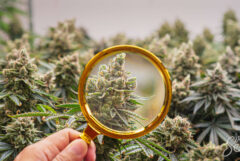
Growing the densest buds possible requires a combination of winning genetics and good, old-fashioned elbow grease. By picking the right plant and following a few simple guidelines, you can increase your yield by turning fluffy airy buds into dense, solid nugs.
What makes buds dense?
1. Genetics
When it comes to weed’s shape, size, texture, and denseness, there’s no factor more important than good genetics. In very broad terms, indicas tend to grow denser flowers than sativas, and photoperiod plants are more likely to have denser buds than autoflowering plants. While there are always exceptions, this is a good place to start.
Further down, I’ll go over my top 5 picks for weed strains with the densest buds.
2. Light
After genetics, light is the single most important contributing factor to the healthy development of any plant. For the most part, plants simply cannot get enough light (though, like anything, there can be too much of a good thing. All else being equal, a plant under a 1000 W lamp will grow larger, denser buds than a plant under 400 W of light.
3. Nutrients
Cannabis nutrients are split into 2 categories: vegetating (or growing) and flowering (or blooming). While it is possible to use only one of these for an entire grow, it’s not a very good idea. Vegetating nutrient blends are generally much higher in nitrogen and lack sufficient levels of phosphorous and potassium. These latter elements are crucial for the proper development of dense buds.
4. Climate
The last thing to keep in mind is the climate in which you’re growing your weed. If you’re growing outdoors, there’s only so much that you can really do, but indoor growers can exert complete control over their grow space, allowing for optimal conditions.
- Temperature
The ideal temperature for bud development is between 24°C to 28°C. Going above or below this is likely to negatively impact the growth of your plant’s flowers. High temperatures are especially concerning as this can lead to light burn, hermaphrodism, and foxtailing.
- Humidity
Humidity also plays a role in maintaining plant health. During vegetation, the relative humidity in a grow space should be kept around 65%. Once flowering starts, that should be lowered to around 55%-60%, and during the last 2-3 weeks of flowering, it should be further reduced to around 45%.
Flowering plants create a great deal of moisture, and lowering the humidity will reduce the risk of mould and allow your flowers to thrive.
- Airflow
Spacing and airflow are the unsung heroes of a healthy grow space. Buds need a little space to themselves if they’re to reach their maximum potential as they need room to expand. Further, each flowering site should be in direct light and able to sway slightly in the breeze. A single oscillating fan is usually enough for most home growers.
Related post
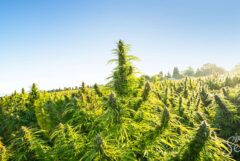
How to prevent airy buds
So, now that we know what goes into growing dense weed, how can we avoid fluffy buds?
Light and heat
As mentioned above, light is the most important part of a healthy grow space. But exactly how much light do you need? That’s a pretty complicated topic and I go over it in more detail in our guide on how much light plants need but here’s the short version.
The more light a plant gets, the denser the buds will be; to a limit. Putting your light too close to a plant can cause light stress or even burn it (yes, even LED lamps can cause light burn). How close is too close? Well, that varies significantly but this chart gives a good idea.
| Type of lamp | Light power (kW) | Optimal distance from plant |
| LEDs | 100 W | 15 cm |
| 300 W | 25 cm | |
| 600 W | 40 cm | |
| 1000 W | 50 cm | |
| HIDs | 150 W | 30 cm |
| 250 W | 35 cm | |
| 600 W | 50 cm | |
| 1000 W | 60 cm |
As you can see, LED (light emitting diode) lamps can be hung significantly closer than HID (high-intensity discharge such as high-pressure sodium and metal halide bulbs). LEDs run much cooler and are less likely to cause heat damage, however, they can still cause light stress so be sure to hand eleven LED lamps far enough above your plants. Finding the sweet spot is a must for growing the densest weed.
No talk of light, though, is complete without mentioning heat. While modern LEDs greatly reduce the need for cooling, it’s still important to keep your temperature in check. Ideally, your grow space won’t ever get above 28°C but plants can still thrive at temperatures up to around 30°C. Above this, your plants will likely start to show signs of “foxtailing”. Foxtails are what happens when weed flowers get too hot, they stretch out and form long, loose, airy buds that, while still potent, are a nightmare to trim and don’t produce much.
Proper pruning
Another key aspect of ensuring dense buds from your cannabis plant is proper pruning. For a flower to fully develop, it needs to be in direct sunlight and have plenty of room around it to grow. By removing leaves that are blocking flowering sites—as well as removing flowering sites that are blocked by other leaves—you can make sure that your buds are getting all the sunlight they need.
Techniques like lollipopping, scrogging, and mainlining can all help you get the most out of your harvest. Knowing how to prune a plant is a vital skill that any grower should develop but I just don’t have the time to talk about it here. Check out our full guide on pruning plants for all the best tips and tricks.
Airflow and humidity
Just because you have a low-heat LED and external ventilation doesn’t mean that you don’t need a good fan inside your tent. By creating good internal airflow, you help speed up the moisture evaporation from flowers allowing them to grow even larger. What’s more is that, by having a fan on your plants from the beginning, you can help them develop sturdy branches to support these dense flowers.
Airflow will also help keep humidity down. As mentioned above, your humidity should never get above 65% during the early vegetating phase and down to 55% in flowering. With only 2-3 weeks left, it’s best to reduce the humidity to 45%. This will encourage your plant to pull extra water (and, therefore, nutrients) from the soil in the final week before flushing.
Using the right nutrients
On the topic of nutrients, using the right one is about the most important thing you can do for your plants if you want dense buds. Be sure to use a nutrient specifically for flowering (or “blooming” as some nutrients say). These will have much higher levels of phosphorus and potassium which are the main nutrients needed for flowering.
On top of this, there is a range of products on the market specifically aimed at growing bigger, denser buds. If you’re interested in using these, know that one is enough. Mixing multiple “Big Bud” nutrients is a good way to give your plants nutrient burn. Lastly, ALWAYS follow the instructions given on the label. A little bit of these goes a long way.
Related post
Best strains for dense cannabis buds
1. Purple Bud

This 75% indica hybrid is known for the purple hues its leaves and flowers are known to take on but this strain has more going for it than a pretty colour. This strain is fairly compact, rarely growing above 1 metre indoors and topping out at around 140 cm under natural light. However, big things can come in small packages, and these plants are incredibly productive.
Indoors, Purple Bud can easily produce up to 500 grams per square metre, while outdoor plants can generate up to 800 grams each. With such a short stature, you can bet that these buds are some of the densest out there.
2. Wedding Cake
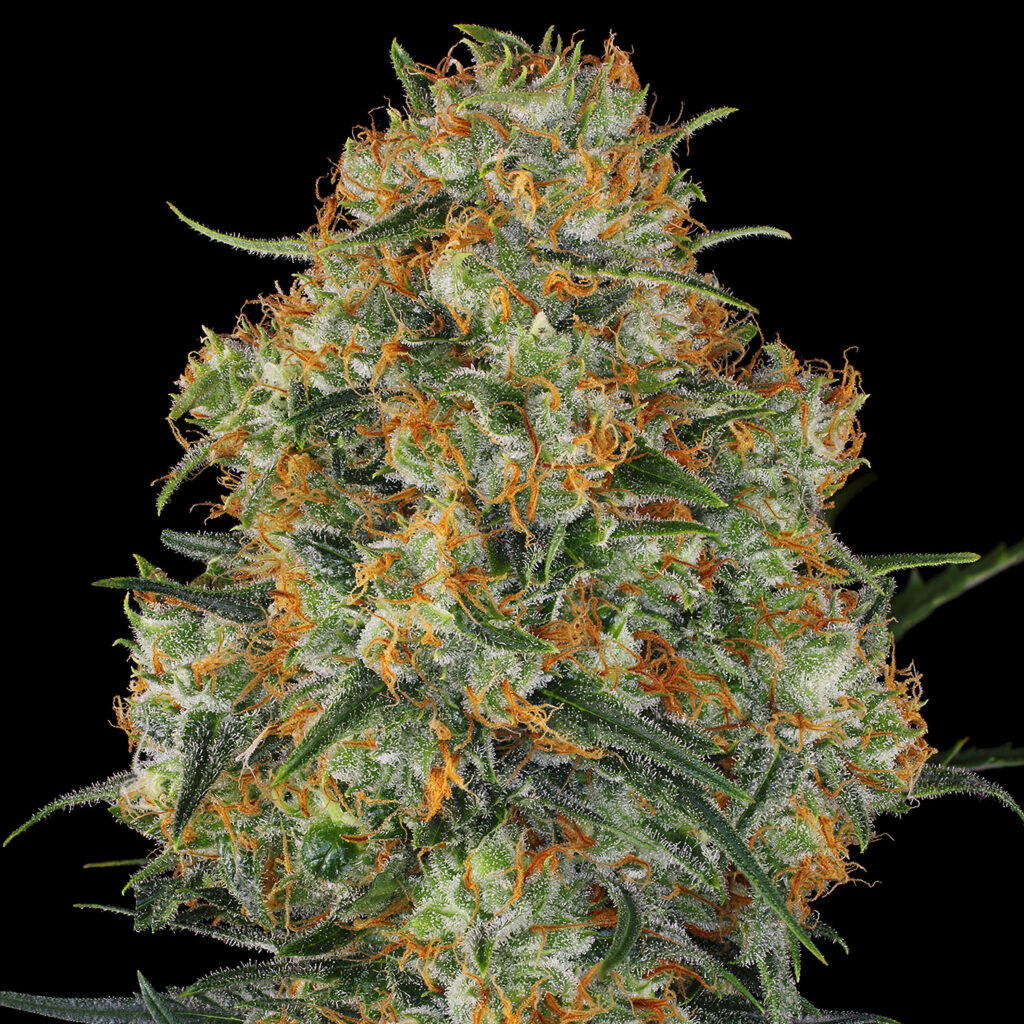
A cross of Cherry Pie and Girl Scout Cookies, this 60% indica is a fast flowering strain that can be ready to harvest in as little as 7 weeks. In that time, this stocky strain can easily produce incredibly dense buds and these compact plants have been known to grow up to 600 grams per square metre indoors.
The weed from a Wedding Cake plant is usually dense and resinous with an impressive THC content of up to 25%. The effects are a healthy blend of indica and sativa with a headrush of euphoric energy that slowly gives way to a more mellow body high.
3. Cookie Kush XXL
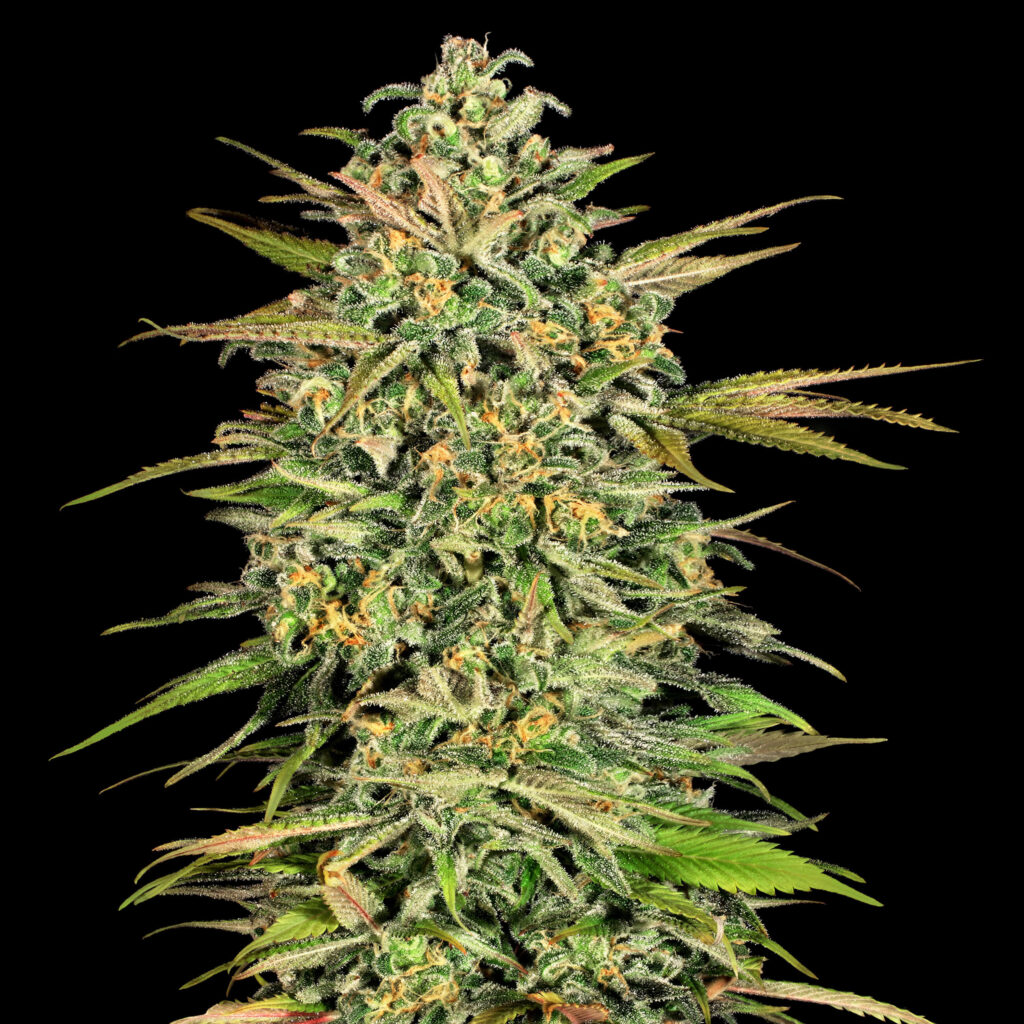
Another 60/40 indica-dominant hybrid, Cookie Kush XXL is a meticulously bred strain created by crossing Durban Poison, OG Kush, Citral, and Diesel into a single incredible package. This is an extremely short strain with indoor plants topping out at around 80 cm and even outdoor specimens rarely climbing above 120 cm.
However, the tight internodal spacing and thick, sturdy branches give this strain an impressive yield of up to 350 grams per square metre indoors. If that sounds low compared to other strains on this list, keep in mind that autoflowering plants almost always produce less than their photoperiod counterparts. Either way, the buds from Cookie Kush XXL Auto are dense and potent.
4. White Widow

Easily one of the most famous strains of all time, White Widow has earned its spot in the Pantheon of weed. Bred from two original landrace strains (a Brazilian sativa and an Indian indica), this 50/50 strain is one of the most well-balanced out there.
Thanks to its sativa lineage, these plants can get fairly tall, with indoor plants easily growing above a metre in height and outdoor plants doubling that. If you’ve got the space, though, you can look forward to harvesting up to 500 grams per square metre indoors of dense and delicious flowers.
5. Lemon Haze
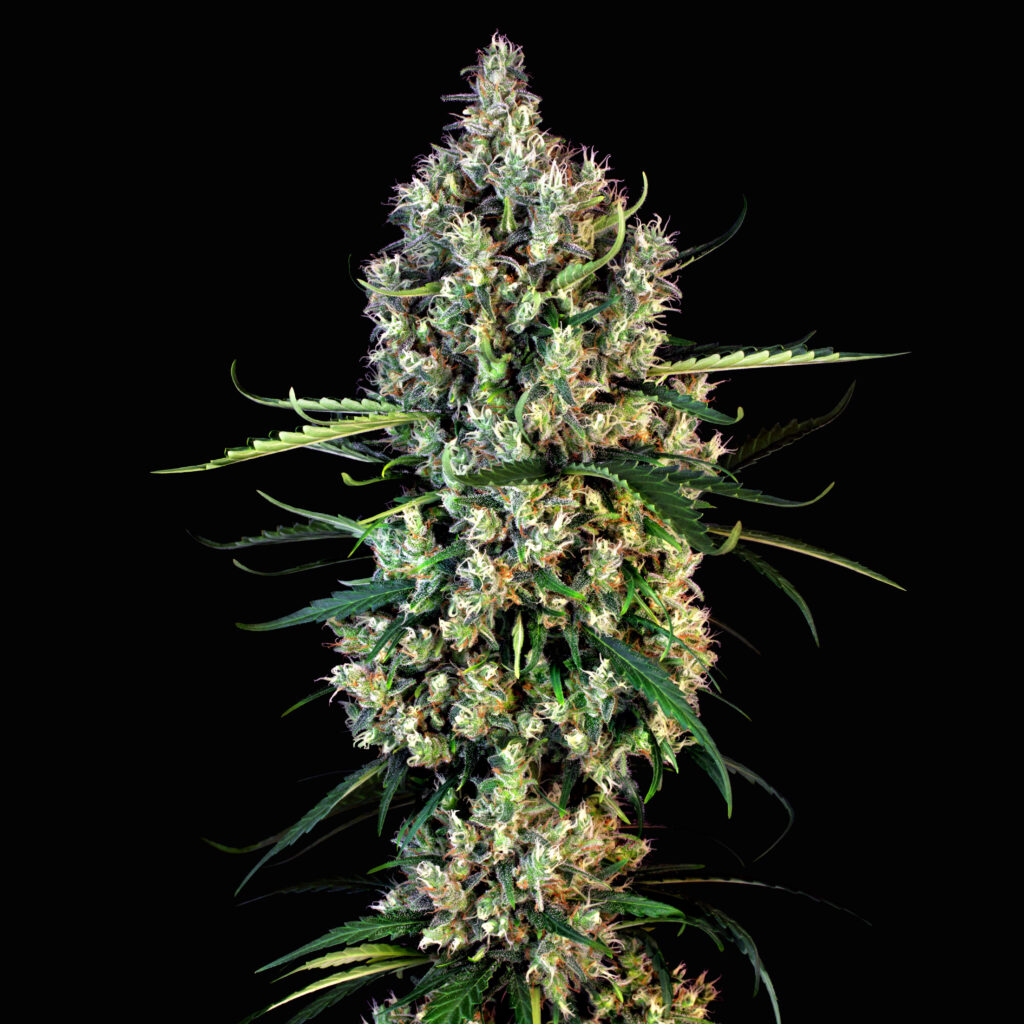
Blending Amnesia Haze and Lemon Skunk, this 70% sativa strain is an excellent choice for indoor growers with limited space. Lemon Haze Auto plants rarely grow above 80 cm but don’t skimp on production, with yields of up to 150 grams per plant.
Let’s dense
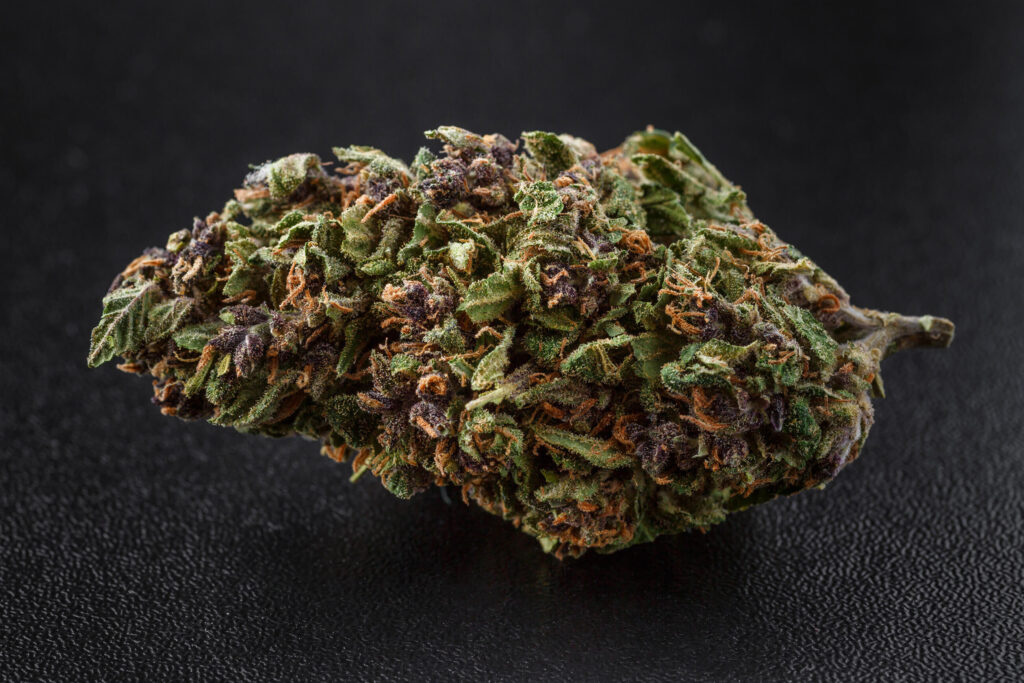
Growing a weed plant is easy. Growing the densest, heaviest buds out there is a genuine challenge. However, by following a few basic guidelines and adhering to standard best practices, it’s more than possible to increase the yield and quality of your next harvest.