


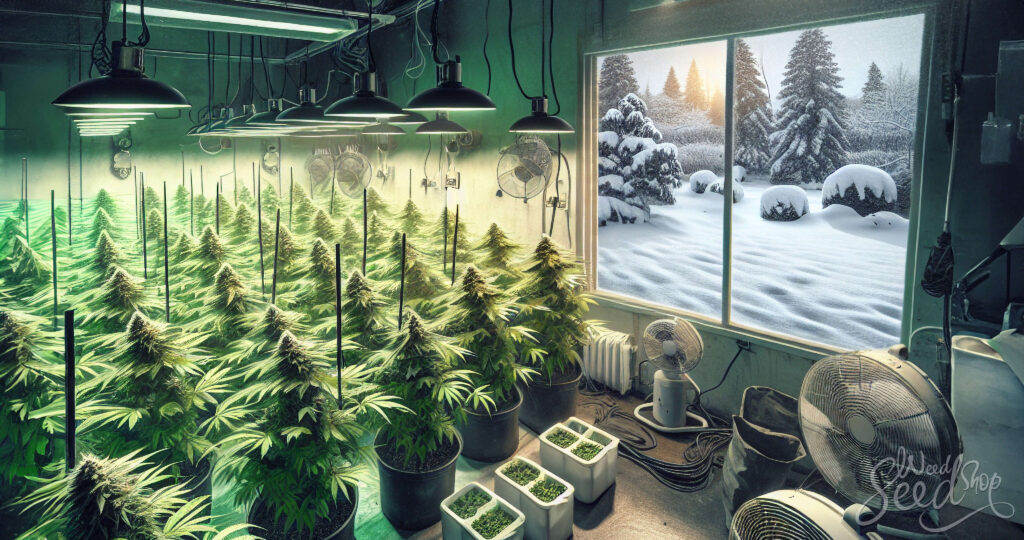
While the first cannabis plants came from the high, frosty mountains of Central Asia, modern strains are more thought of as tropical plants. While weed can be grown almost anywhere, there is a limited window where it will truly thrive. Even so, there are a few surprising benefits that can come from low temperatures; but they aren’t without risk.
What are the ideal temperatures for growing weed?
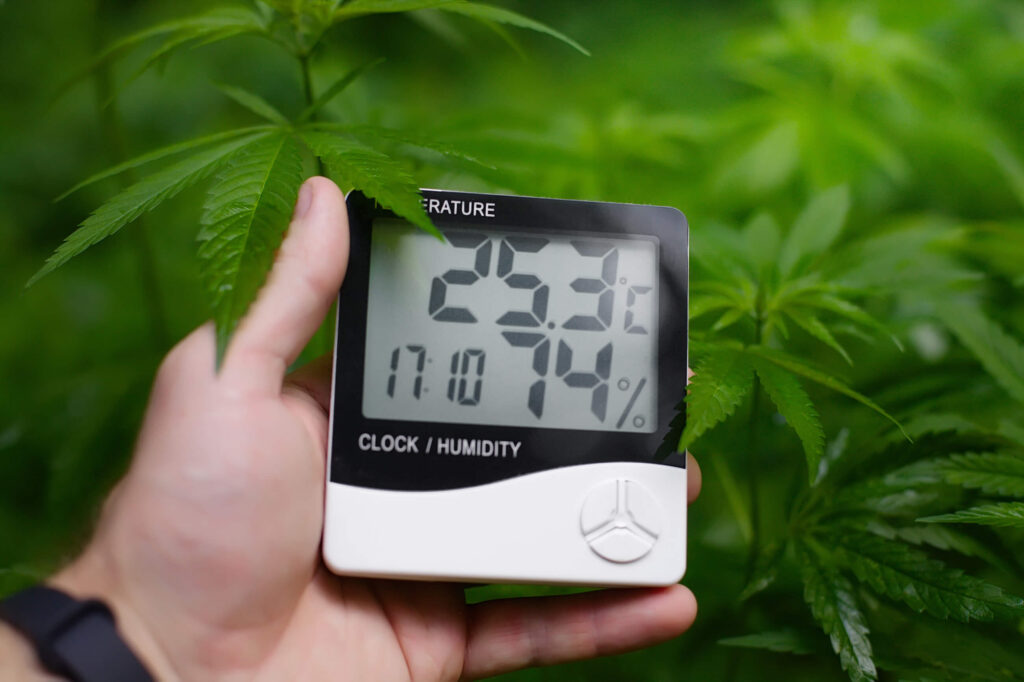
Broadly speaking, cannabis plants prefer an ambient temperature of 20°C to 28°C depending on the stage of growth. Generally, seedlings and flowering plants prefer it closer to 23°C while vegetating plants do best in slightly warmer conditions around 26°C. Additionally, the difference between daytime and nighttime temperatures shouldn’t exceed 5°C.
Different weed strains have different preferences and some prefer it slightly warmer or cooler. However, this temperature range is a good average for any weed plant.
What are the effects of cold temperatures on weed plants?
Most growers—especially those using high-pressure sodium (HPS) lights—are more used to the effects caused by high temperatures. Heat stress, dehydration, hermaphrodism, and decreased resin production are all risks associated with high temperatures. What doesn’t get nearly as much attention is what happens when cannabis plants aren’t kept warm enough.
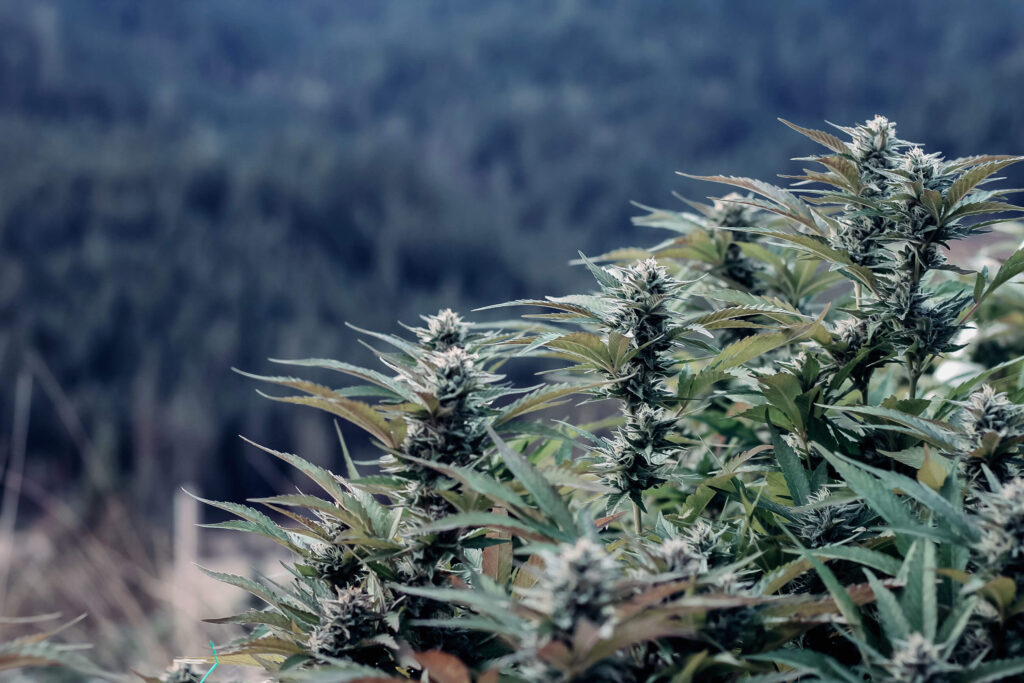
Once temperatures start getting below roughly 15°C, cannabis plants have a harder time staying productive. Much like animals, closer temperatures slow down the metabolic processes of plants and lead to severely stunted growth and delayed development. Additionally, low temperatures can cause nutrient lockout, root damage, and can make your plants more susceptible to issues like mould or mildew.
Related post
Benefits of cold temperature on cannabis plants
While keeping your plants in sub-optimal temperatures is generally not advised, cold temps during flowering can have some benefits for certain strains:
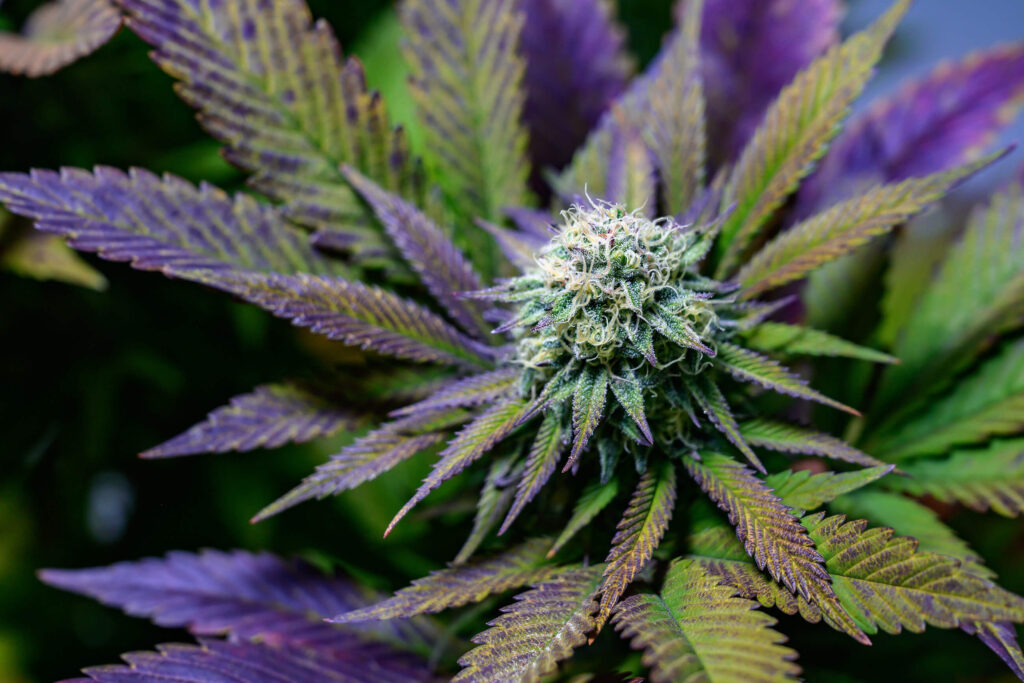
- Increased terpene production
Lower temperatures, particularly in the final weeks of flowering, can cause some weed plants to develop more terpenes creating a more pronounced taste and aroma.
- Exciting purple colours
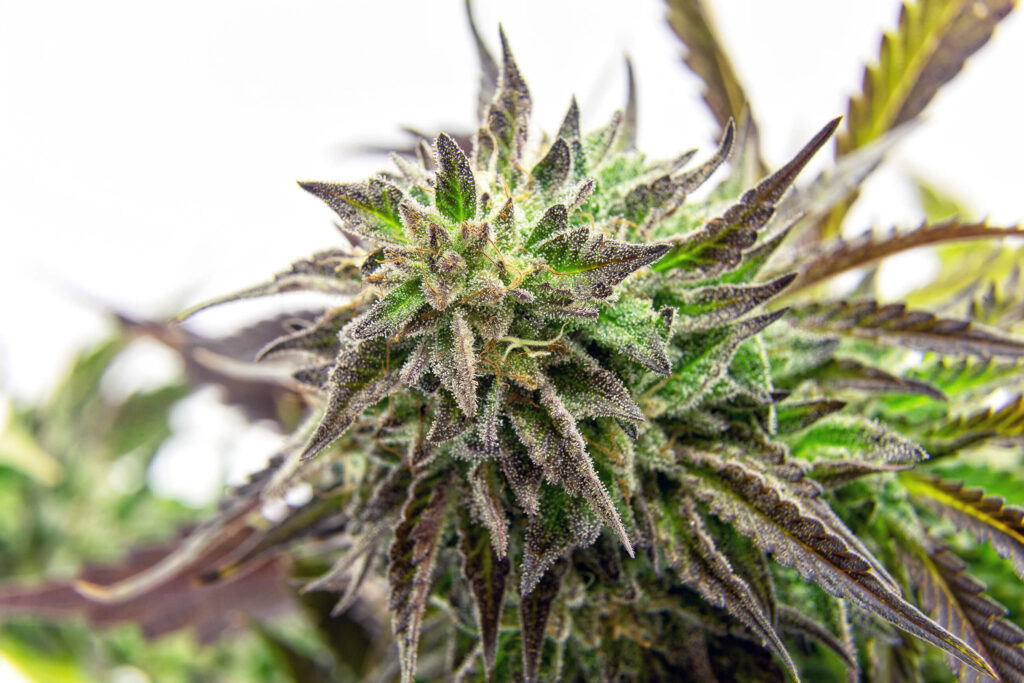
Some strains of weed can develop a vibrant purple hue if exposed to colder temperatures during the late stages of flowering. This is due to the production of anthocyanins; natural pigments that occur in many flowers and fruits.
- Pest and disease control
While colder temperatures can increase the risk of certain moulds, many pests (spider mites, thrips) are far less likely to thrive in colder temperatures.
- Increased trichome production
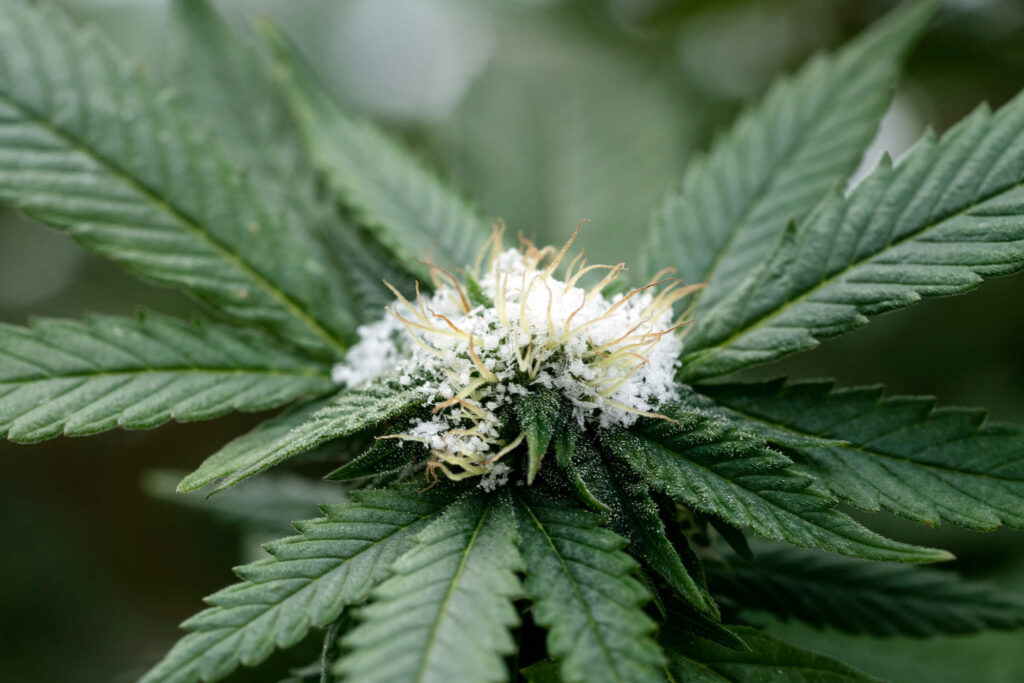
Trichomes are the little sacs of resin that appear on cannabis flowers. This resin is meant to protect the plant from environmental factors and colder temperatures can cause plants to create even more resin.
Note that any potential benefits of lower temperatures will vary wildly from strain to strain. Also, these benefits may be outweighed by the potential damage outlined above. If you’re interested in experimenting with colder temperatures on your weed plants, be sure to pick a strain that is designed for it. Lastly, it’s best to only drop the temperature in the final few weeks of flowering.
Some weed strains that are good for colder climates include Purple Bud, Swiss Miss, and Top 44. These all make fine choices since they are a) fast-flowering, so they’ll likely be done before the first frost and b) resistant to mould so they can handle a bit colder and wetter weather.
Related post
How can I safely cool my grow space?
If your goal is to intentionally lower the temperature of your grow space, the most important thing is airflow. A good inline fan that can extract any heat as well as a few small internal fans will get you part of the way there but, depending on where you live and the time of year, you might need more.
Air conditioners are perhaps to most obvious choice but, if you’re growing in a small tent or closet, these may be impractical. Luckily, you still have options.
- Air-cooled lighting
Even if you’re using LEDs, your lights will generate heat. A good inline, air-cooled light can eliminate much of this excess heat.
- Water cooling
A small fountain or misting system can cool the area through evaporation. Note that this can drastically raise humidity indoors, so a dehumidifier may be needed if your humidity is higher than 60% (45% during flowering).
- Heat sinks
Items with a high “thermal mass” like concrete blocks or barrels of water can help absorb a fair bit of ambient heat and keep your space several degrees cooler. Simply make sure that they are as cold as possible and put them into your grow space. Note that these will need to be cycled in and out regularly for maximum efficacy.
Can weed plants survive the winter?
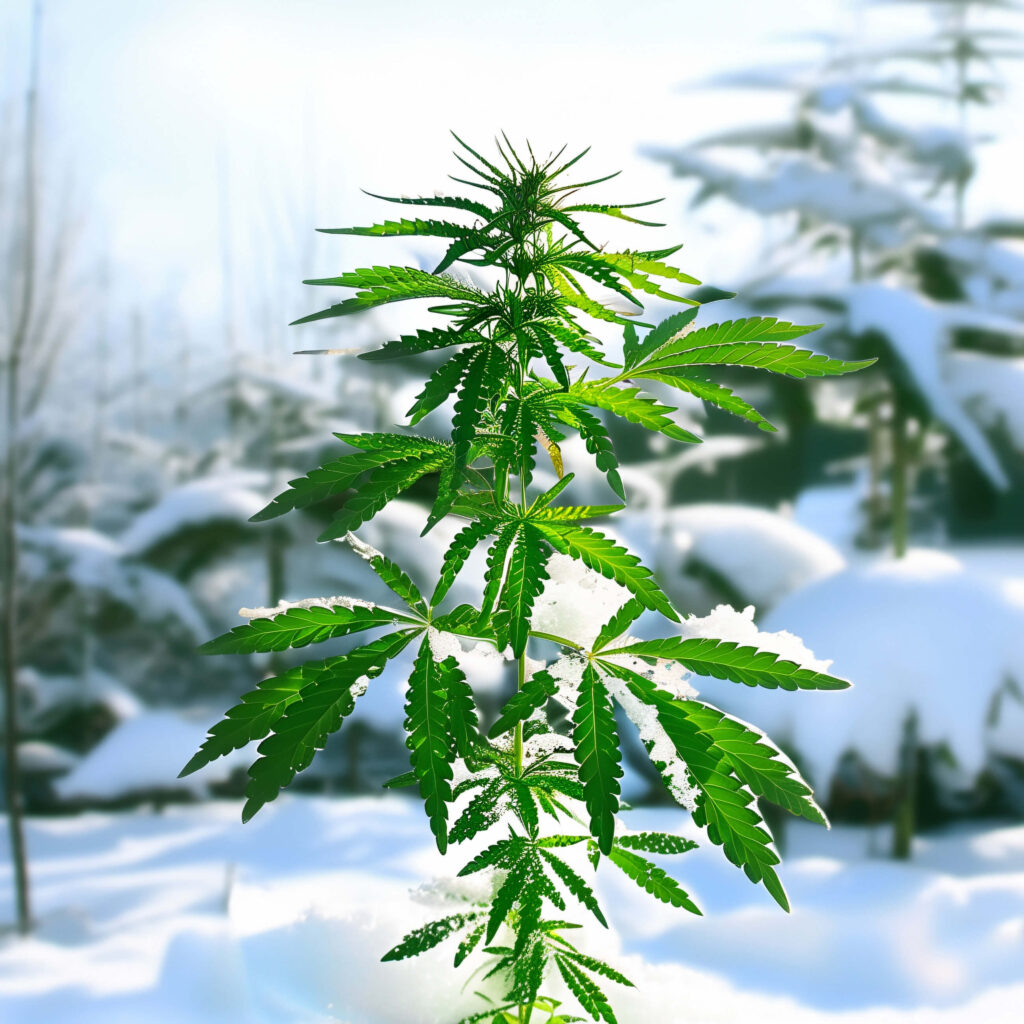
As with so many questions about what a plant “can” or “can’t” do, the answer is “it depends”. If you’re growing weed outdoors, the ambient climate is the largest factor to consider. In North America and Europe, where seasonal changes greatly affect daylight hours and temperatures, outdoor growing is severely restricted to a relatively short growing season (roughly April to October depending on latitude). However, in more tropical climates along the equator, cannabis growers can potentially grow cannabis all year long—particularly if they’re using autoflowering strains.
If you’re growing indoors, however, then growing weed in the winter is a very real possibility. In fact, depending on where you live, it may be preferable. In areas like the southern US, where summer temperatures can routinely pass 40°C, keeping a grow room cool in the summer might be far harder than keeping one warm in the winter; especially if you’re using HPS lights.
Likewise, if you’re in a place like Northern Europe, keeping a grow space warm in the winter presents its own challenges.
Related post
How to keep your grow space warm
If you’re growing cannabis in an area with a harsh winter, and your grow space isn’t properly insulated (such as a garage or storage closet), you’re going to invest in some extra heating and this is where HPS lights can be a real benefit. While they do use far more energy than modern LED lights, they have the added effect of producing a tremendous amount of heat.
However, most growers don’t want to be swapping out lights with the seasons and lights aren’t exactly cheap. Luckily, there are several good options for keeping a grow space nice and toasty.
1. Space heaters
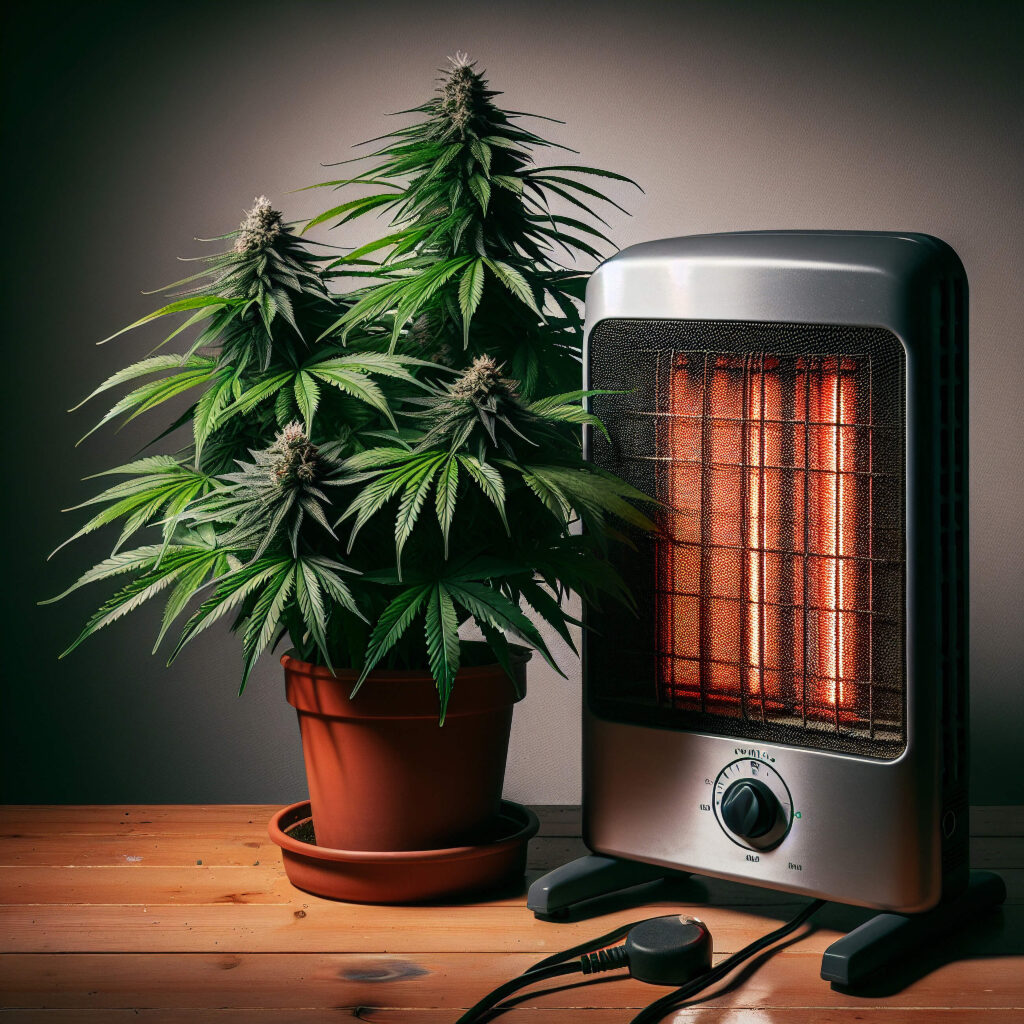
A small 400 W space heater combined with an oscillating fan can produce a great deal of heat. Don’t leave it on 24 hours a day, though. A timer or, better yet, a connected thermometer can help ensure you don’t increase the heat too much. Note that these can also dry the air out and may require a humidifier as well. If you choose a space heater, make sure that you select one that’s rated for splashes and dust. These things can be a fire hazard if not properly installed.
2. Insulation
Depending on how much space you have, adding some basic insulation can go a long way towards keeping your grow space in the optimal temperature range. Foam board insulation, bubble wrap, or thermal blankets are all fine choices.
3. Heating cables
These might be the best choice as they allow you to apply heat exactly where it’s needed. These are routinely used in propagators or germinators where higher heat is ideal, but they can be a great tool for any stage of growth.
Available in a range of sizes, these cables can easily fit into any grow space and, thanks to the durable materials they’re made from, they’re completely safe for use in a grow room. Simply wrap these wires around each of your pots to help keep the roots warm and adjust the temperature as necessary.
Related post
Tips for outdoor weed growers
Everything I’ve talked about so far has largely focused on indoor growers who can control their environment, but outdoor growers can run serious risks of frost damage if the weather doesn’t cooperate.
A late frost in the early spring is a danger that growers and farmers have always faced and knowing the perfect time to plant outdoors is equal parts luck and skill. Therefore, it’s generally best to keep your seedlings indoors in a climate-controlled area for at least the first week or two. Plants are incredibly vulnerable at this stage and even a single chilly night could be enough to wipe them out.
At the other end of the season, early snows can be a serious risk for growers in much of the world. Unlike seedlings, you can’t just move a fully mature plant 2 weeks before harvest. If you’re facing a snowy forecast, you’ll need to prepare in advance.
- Harvest when possible
If it’s late enough in the season, harvesting your plants a few days (or even a week) early might be the easiest course of action. Be sure to watch the weather closely as the seasons change, While it’s possible to harvest after the first frost, you’re better off doing it sooner than later.
- Thoroughly water your cannabis plants
This might sound counter-intuitive if there’s a frost coming, but wet soil is far better at retaining heat than dry soil. This will help keep your roots warm enough and keep your plant going a bit longer.
- Insulate your weed plants
Pile up some insulation such as straw or mulch around the base of the plant to provide extra insulation for the roots. While cold temps during flowering aren’t an instant death, it’s generally best to avoid sub-freezing temperatures.
- Cover your plants
If you have the time, space, and materials, a small makeshift greenhouse (or hoop house) can be constructed out of some plastic sheet (or tarps) and a few basic supports. If this isn’t an option, then wrap your plant in some plastic sheeting and make sure that it is securely tied around the base.
Staying cool under pressure
The cold might not be the best thing for your weed plant, but it’s not an automatic death sentence. If used properly, it can even have a few positive effects. Either way, it’s a serious concern and something that any grower needs to keep a close eye on.
